%20--%3e%3cdefs%3e%3cstyle%3e%20.st0%20{%20fill:%20%23e60012;%20}%20.st1%20{%20fill:%20%23666;%20}%20.st2%20{%20fill:%20%23111;%20}%20%3c/style%3e%3c/defs%3e%3cpath%20class='st2'%20d='M208.79.2c10.12-1.03,18.93,1.81,26.29,8.72l77.13,96.19c2.89,2.23,6.06-.63,6.05-3.83l-.02-87.19c1.16-18.51,31.42-18.04,32.08.55v119.76c-1.34,25.11-32.65,27.51-48.09,13.24l-75.42-95.14c-2.82-2.58-7.03-2.45-7.42,1.87l.03,86.1c.01,21.09-31.94,21.37-32.63.55l.03-118.08c1.06-12.97,8.93-21.42,21.97-22.74Z'/%3e%3cpath%20class='st2'%20d='M12.13,1.28c28.23,1.02,58-1.81,86.06-.16,58.19,3.42,87.38,69.72,59.24,118.26-30.33,52.32-91.41,33.17-141.59,36.82-7.03-.55-12.94-3.9-15.01-10.94C-.84,102.42.61,59.25.1,16.3.7,8.64,4.37,3,12.13,1.28ZM39.75,31.63c-4.09.5-6.61,3.23-7.05,7.3,1.69,25.45-2.25,53.81-.02,78.92.43,4.85,2.61,7.02,7.46,7.45,31.53-2.7,72.07,10.71,90.43-23.37,16.64-30.88-3.09-68.26-38.47-70.47-17.01-1.06-35.22.72-52.35.17Z'/%3e%3cpath%20class='st0'%20d='M451.82.76c14.02-1.45,22.07,5.56,28.57,16.93,7.85,13.74,14.8,30.14,21.65,44.58,11.76,24.81,22.94,49.91,34.42,74.86,6.22,17.37-16.52,25.98-26.77,12.95l-49.9-105.74c-2.92-4.12-8.88-2.9-10.92,1.47l-48.61,103.72c-5.67,9.12-21.27,9.25-26.5-.49-3.21-5.96-1.09-10.33,1.15-16.01,8.28-20.95,19.9-43.62,29.61-64.21,7.23-15.34,14.36-31.83,22.28-46.71,5.84-10.97,11.36-19.93,25.03-21.34Z'/%3e%3cpath%20class='st1'%20d='M354.87,260.86c-1.34-1.43-.43-6.14-.7-8.14-8.6,12.04-28.47,12.98-39.48,3.85-12.17-10.1-12.56-35.25-1.89-46.55,10.21-10.81,31.8-10.33,40.81,1.87-.23-1.61.59-3.13.61-4.69.06-7.12-1.35-14.7-.53-21.99.44-3.92,1.31-5.93,5.76-5.34,5.36.72,2.99,8.02,3.07,11.28.47,19.6,1.49,41.18.49,60.74-.07,1.41-.64,8.36-1.05,8.88-1.68,1.61-5.54,1.72-7.09.09ZM329.73,210.39c-19.97,2.69-20.94,38.81-1.64,43.83,12.31,3.2,23.12-3.1,25.38-15.7,3-16.68-5.49-30.59-23.74-28.13Z'/%3e%3cpath%20class='st1'%20d='M414.37,235.07c-.12,17.69,19.96,25.23,33.88,16.46,2.61-1.64,7.32-7.85,10.24-2.89s-5.56,9.99-9.34,11.52c-29.14,11.79-53.82-15.18-40.78-42.94,10.64-22.66,48.71-19.04,51.78,7.15.27,2.28.92,10.7-2.43,10.7h-43.36ZM451.38,227.9c.55-21.16-29.25-24.48-35.92-5.26-.31.89-1.81,5.26-.25,5.26h36.18Z'/%3e%3cpath%20class='st1'%20d='M176.19,202.67c7.46-.84,18.53-.08,24.43,5.08,2.3,2.01,5.28,6.34,2.25,8.88-4.25,3.56-7.89-3.3-11.65-5.01-6.03-2.75-18.03-2.84-22.38,3.02-4.03,5.44.25,9.84,5.57,11.56,9.51,3.1,27.8,2.02,30.8,14.48,5.86,24.38-32.03,27.02-45.18,15.34-2.55-2.26-5.29-7.78-1.25-9.5,4.64-1.98,6.61,3.18,10.34,5.38,6.78,3.98,23.63,5.29,27.18-3.21,5.03-12.04-14.18-12.31-21.11-13.88-9.73-2.21-17.6-6.26-16.54-17.67.82-8.84,9.49-13.57,17.54-14.47Z'/%3e%3cpath%20class='st1'%20d='M63.23,260.86c-.65-.69-.64-1.96-.72-2.87-1.39-16.22,1.11-34.37,0-50.81-.05-2.53,1.07-3.91,3.62-4.14,6.44-.56,5.15,4.71,5.25,9.4l4.41-4.69c10.88-8.45,30.96-7.68,36.56,6.53,3,7.61,2.95,33.74,2.13,42.6-.64,6.91-7.92,6.29-8.74,2.62-.84-10.96.7-22.69-.1-33.56s-5.96-16.52-17.44-15.73c-24.4,1.7-14.9,32.77-16.94,48.73-.64,3.45-5.97,4.09-8.02,1.91Z'/%3e%3cpath%20class='st1'%20d='M514.35,213c1.29.33.93-.3,1.27-.7,1.69-1.97,2.63-3.88,4.86-5.6,3.68-2.83,17.08-7.73,17.13-.05.04,5.45-5.56,3.82-9.56,4.86-19.56,5.06-12.3,32.91-13.71,47.55-.72,3.82-7.91,4.17-8.3.04l.54-54.68c1.57-2.62,7.77-1.21,7.77.59v8Z'/%3e%3cpath%20class='st1'%20d='M6.59,203.19c2.04-.48,4.95-.53,5.82,1.68l.45,53.68c-.6,4.61-8.21,5.19-8.88-.57-1.84-15.83,1.41-35.13,0-51.33.06-1.73.89-3.05,2.61-3.46Z'/%3e%3cpath%20class='st1'%20d='M253.48,203.19c2.93-.68,6.16.05,6.25,3.46-1.4,16.21,1.84,35.49,0,51.33-.56,4.81-5.89,5.51-8.56,1.91l-.29-53.24c.06-1.73.89-3.05,2.61-3.46Z'/%3e%3cpath%20class='st1'%20d='M6.05,180.04c11.37-2.9,10.88,13.61,1.22,11.77-6.66-1.27-6.07-10.53-1.22-11.77Z'/%3e%3cpath%20class='st1'%20d='M252.93,180.02c11.46-2.59,10.5,13.27,1.14,11.91-6.22-.9-6.41-10.72-1.14-11.91Z'/%3e%3c/svg%3e)
%20--%3e%3cdefs%3e%3cstyle%3e%20.st0%20{%20fill:%20%23e60012;%20}%20.st1%20{%20fill:%20%23a1a1a1;%20}%20.st2%20{%20fill:%20%23f2f2f2;%20}%20%3c/style%3e%3c/defs%3e%3cpath%20class='st2'%20d='M208.79.2c10.12-1.03,18.93,1.81,26.29,8.72l77.13,96.19c2.89,2.23,6.06-.63,6.05-3.83l-.02-87.19c1.16-18.51,31.42-18.04,32.08.55v119.76c-1.34,25.11-32.65,27.51-48.09,13.24l-75.42-95.14c-2.82-2.58-7.03-2.45-7.42,1.87l.03,86.1c.01,21.09-31.94,21.37-32.63.55l.03-118.08c1.06-12.97,8.93-21.42,21.97-22.74Z'/%3e%3cpath%20class='st2'%20d='M12.13,1.28c28.23,1.02,58-1.81,86.06-.16,58.19,3.42,87.38,69.72,59.24,118.26-30.33,52.32-91.41,33.17-141.59,36.82-7.03-.55-12.94-3.9-15.01-10.94C-.84,102.42.61,59.25.1,16.3.7,8.64,4.37,3,12.13,1.28ZM39.75,31.63c-4.09.5-6.61,3.23-7.05,7.3,1.69,25.45-2.25,53.81-.02,78.92.43,4.85,2.61,7.02,7.46,7.45,31.53-2.7,72.07,10.71,90.43-23.37,16.64-30.88-3.09-68.26-38.47-70.47-17.01-1.06-35.22.72-52.35.17Z'/%3e%3cpath%20class='st0'%20d='M451.82.76c14.02-1.45,22.07,5.56,28.57,16.93,7.85,13.74,14.8,30.14,21.65,44.58,11.76,24.81,22.94,49.91,34.42,74.86,6.22,17.37-16.52,25.98-26.77,12.95l-49.9-105.74c-2.92-4.12-8.88-2.9-10.92,1.47l-48.61,103.72c-5.67,9.12-21.27,9.25-26.5-.49-3.21-5.96-1.09-10.33,1.15-16.01,8.28-20.95,19.9-43.62,29.61-64.21,7.23-15.34,14.36-31.83,22.28-46.71,5.84-10.97,11.36-19.93,25.03-21.34Z'/%3e%3cpath%20class='st1'%20d='M354.87,260.86c-1.34-1.43-.43-6.14-.7-8.14-8.6,12.04-28.47,12.98-39.48,3.85-12.17-10.1-12.56-35.25-1.89-46.55,10.21-10.81,31.8-10.33,40.81,1.87-.23-1.61.59-3.13.61-4.69.06-7.12-1.35-14.7-.53-21.99.44-3.92,1.31-5.93,5.76-5.34,5.36.72,2.99,8.02,3.07,11.28.47,19.6,1.49,41.18.49,60.74-.07,1.41-.64,8.36-1.05,8.88-1.68,1.61-5.54,1.72-7.09.09ZM329.73,210.39c-19.97,2.69-20.94,38.81-1.64,43.83,12.31,3.2,23.12-3.1,25.38-15.7,3-16.68-5.49-30.59-23.74-28.13Z'/%3e%3cpath%20class='st1'%20d='M414.37,235.07c-.12,17.69,19.96,25.23,33.88,16.46,2.61-1.64,7.32-7.85,10.24-2.89s-5.56,9.99-9.34,11.52c-29.14,11.79-53.82-15.18-40.78-42.94,10.64-22.66,48.71-19.04,51.78,7.15.27,2.28.92,10.7-2.43,10.7h-43.36ZM451.38,227.9c.55-21.16-29.25-24.48-35.92-5.26-.31.89-1.81,5.26-.25,5.26h36.18Z'/%3e%3cpath%20class='st1'%20d='M176.19,202.67c7.46-.84,18.53-.08,24.43,5.08,2.3,2.01,5.28,6.34,2.25,8.88-4.25,3.56-7.89-3.3-11.65-5.01-6.03-2.75-18.03-2.84-22.38,3.02-4.03,5.44.25,9.84,5.57,11.56,9.51,3.1,27.8,2.02,30.8,14.48,5.86,24.38-32.03,27.02-45.18,15.34-2.55-2.26-5.29-7.78-1.25-9.5,4.64-1.98,6.61,3.18,10.34,5.38,6.78,3.98,23.63,5.29,27.18-3.21,5.03-12.04-14.18-12.31-21.11-13.88-9.73-2.21-17.6-6.26-16.54-17.67.82-8.84,9.49-13.57,17.54-14.47Z'/%3e%3cpath%20class='st1'%20d='M63.23,260.86c-.65-.69-.64-1.96-.72-2.87-1.39-16.22,1.11-34.37,0-50.81-.05-2.53,1.07-3.91,3.62-4.14,6.44-.56,5.15,4.71,5.25,9.4l4.41-4.69c10.88-8.45,30.96-7.68,36.56,6.53,3,7.61,2.95,33.74,2.13,42.6-.64,6.91-7.92,6.29-8.74,2.62-.84-10.96.7-22.69-.1-33.56s-5.96-16.52-17.44-15.73c-24.4,1.7-14.9,32.77-16.94,48.73-.64,3.45-5.97,4.09-8.02,1.91Z'/%3e%3cpath%20class='st1'%20d='M514.35,213c1.29.33.93-.3,1.27-.7,1.69-1.97,2.63-3.88,4.86-5.6,3.68-2.83,17.08-7.73,17.13-.05.04,5.45-5.56,3.82-9.56,4.86-19.56,5.06-12.3,32.91-13.71,47.55-.72,3.82-7.91,4.17-8.3.04l.54-54.68c1.57-2.62,7.77-1.21,7.77.59v8Z'/%3e%3cpath%20class='st1'%20d='M6.59,203.19c2.04-.48,4.95-.53,5.82,1.68l.45,53.68c-.6,4.61-8.21,5.19-8.88-.57-1.84-15.83,1.41-35.13,0-51.33.06-1.73.89-3.05,2.61-3.46Z'/%3e%3cpath%20class='st1'%20d='M253.48,203.19c2.93-.68,6.16.05,6.25,3.46-1.4,16.21,1.84,35.49,0,51.33-.56,4.81-5.89,5.51-8.56,1.91l-.29-53.24c.06-1.73.89-3.05,2.61-3.46Z'/%3e%3cpath%20class='st1'%20d='M6.05,180.04c11.37-2.9,10.88,13.61,1.22,11.77-6.66-1.27-6.07-10.53-1.22-11.77Z'/%3e%3cpath%20class='st1'%20d='M252.93,180.02c11.46-2.59,10.5,13.27,1.14,11.91-6.22-.9-6.41-10.72-1.14-11.91Z'/%3e%3c/svg%3e)
NVIDIA says open wireless tools grew 10x in developer adoption, with research spanning robotics and network efficiency
NVIDIA says global developer adoption of NVIDIA AI Aerial and NVIDIA Sionna grew 10x over the past year, its open-source 5G/6G tools passed 1 million downloads, and more than 8,000 research and academic institutions use the platforms. The company also highlighted studies reporting faster robot-arm tasks, higher uplink throughput and lower radio-access-network power use.
Full Report
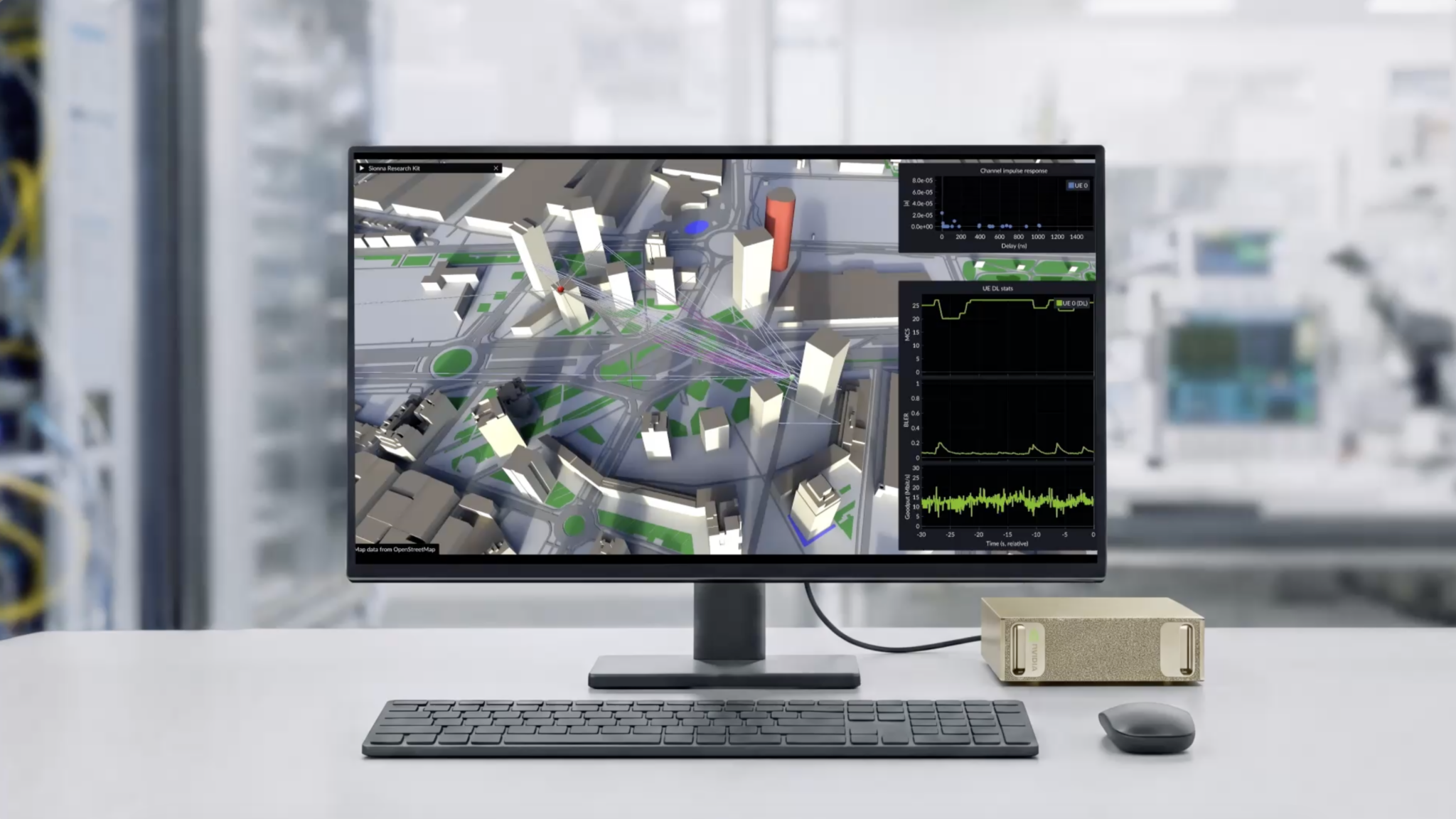
In an article published November 6, 2026, NVIDIA reviewed research using its open wireless tools. The company says it open-sourced its Aerial wireless software about a year earlier. Over the past year, global developer adoption of NVIDIA AI Aerial and NVIDIA Sionna grew 10x, downloads of its open-source 5G/6G tools passed 1 million, and more than 8,000 research and academic institutions worldwide used the platforms. In October 2025, NVIDIA had announced an Aerial open-source initiative and presented the Sionna Research Kit and Aerial Testbed as wireless research tools.
The article describes several experiments. At King's College London, a robot-arm experiment using NVIDIA Sionna cut task completion time by up to 52.6% and improved task success compared with sending periodic images. SoftBank tested a neural receiver integrated into NVIDIA Aerial CUDA-Accelerated RAN with a commercial 5G smartphone; uplink throughput was higher than with a conventional receiver in all 15 tested settings, with a maximum gain of roughly 60%. Researchers at ETH Zurich also found that tuning neural receivers with local measurements reduced block error rates by more than one-third versus selected pretrained versions.
Other projects focused on network energy use and simulation. A University of Leeds team built a system to forecast network demand 10 minutes ahead and guide base-station sleep decisions. The team reported a 45.6% reduction in radio access network power consumption against a full-power baseline while maintaining device connectivity. CTTC integrated GPU-accelerated radio channel models running on ACAR into its open-source 5G-LENA network simulator. In an early evaluation, simulation runtime fell from about three hours to 10–20 minutes, depending on the integration.
NVIDIA says NVIDIA AI Aerial and NVIDIA Sionna are available on GitHub and invited researchers and developers to 6G Developer Sessions at NVIDIA GTC Washington, D.C. The examples span physical-device tests and network simulation, showing how researchers are applying the tools to distinct wireless-development challenges.
Why This Matters
The adoption and download figures indicate the reported scale of use, while the research examples give concrete measures for robotics communications, neural receivers, base-station energy use and simulation speed. Together, they show the range of 5G/6G development problems researchers are applying these open tools to.
Evidence
Start with the primary evidence, then review supporting sources and context.
Primary Evidence
1How NVIDIA Open Source Tools Are Helping Researchers Build Next-Generation 6G Networks
Soma Velayutham
“A year ago, NVIDIA open sourced its Aerial wireless software, joining Sionna and a broader suite of open source tools for accelerating next-generation 6G network development. Together, they give researchers a foundation for testing ideas, comparing results and building on each other’s work — connecting simulation and AI training with experiments on real…”
Recommended signals
Recommended by brand, topic, and recent related coverage